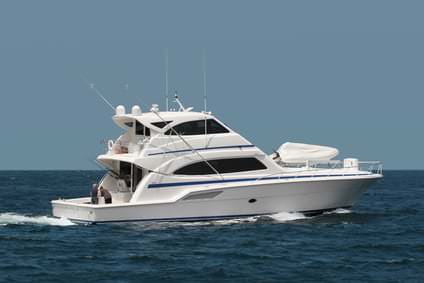
Recreational boating is a very popular past time all over the world. However, recreational boating can be a dangerous activity if proper safety precautions are not taken. In fact, in the United States Coast Guard reported 610 deaths, 2,678 injuries, and 4,064 accidents due to recreational boating in 2014 alone, with an estimated property damage amounting to more than $39 million. These startling statistics prove the importance of boating safety for not only the licensed boaters, but also their passengers.
Whether at sea or at a lake, it is vital to have the basic skills needed for operating a boat, knowledge of the rules of the waterway, and an understanding of the proper procedure in case of an emergency. Boating safety is not a suggested “best practice,” but instead a huge responsibility you take as the boater for not only your life but the lives of your passengers and other boaters on the water. For more information on boating law, safety, weather, and emergencies, check out the links below.
BOATING AND THE LAW:
Before hitting the water, it’s a good idea to brush up on the laws and regulations pertaining to recreational boating. Every state has specific boating laws so it’s important to check the rules and regulations for the state in which you will be boating in. It’s important to note that most states update their boating laws annually, so, what may have been permissible last year, could be illegal this year. Therefore, you should review you state’s boating laws every year. Boating laws pertain to vessel registration, licensing, equipment, signals, speed restrictions and more. There are laws governing reckless operation, including boating under the influence.
Similar to a driving license, you must apply for a Florida State Boating License, which involves a boating safety course and examination. Boating laws are put in to place to protect you and other boaters and passengers. All states have zero tolerance and/or strict laws when it comes to careless boating, as well as boating under the influence. In addition, the US Coast Guard requires all vessels to have safety equipment on board such as personal flotation devices, fire extinguishers, whistles, nighttime visual distress signals, and other safety devices. As you can see, boating laws can be quite complicated, so it’s best to be fully prepared.
Boating: Laws
- America’s Boating Course: State by State Law
- Boating Safety Resource Center: State Boating Laws
- America’s Boating Course: Laws & License Requirements by State
- Boat-ED: Florida Handbook of Boating Laws & Responsibilities
Boating: Licensing & Registration
Boating: Careless Operation
- Florida Fish and Wildlife Conservation Commission: Operation Dry Water
- American Boating Association: BADD “Boaters Against Drunk Driving”
Boating: Equipment Required On board
- Florida Fish and Wildlife Conservation Commission: Equipment & Lighting Requirements
- Discover Boating: Pre-Departure Checklist
- Boat Safe: Required Stuff to Have on your Boat
- Boat US: USCG Minimum Equipment Requirements
BOATING SAFETY ADVICE:
Boating safety includes basic and common sense practices, such as wearing life jackets and making sure there are enough life jackets for everyone aboard. It also ensures one operates his or her boat while free from influence of drugs and alcohol, both of which lead to conditions that heighten the chance an accident. In addition, boating safety includes the activities associated with boating, such as fishing, waterskiing or wakeboarding. These activities are enjoyable if practiced safely, but require proper handling of the boat while pulling someone and at the same time, being attentive to other boaters sharing the same waterway.
Boating: Basic Operation
- Boat Safe: Boating Tips
- Take Me Fishing: Boating Basics
- The Red Cross: How to Operate a Boat
- Boating Basics: Boat Terms
Boating: Etiquette and Rules of the Waterway
Boating: Sports Safety
- LCRA: Safety while Waterskiing
- Discover Boating: Water Tubing Tips
- BSA: Snorkeling Safety
- Scuba Diver Info: Scuba Diving Safety
- Take Me Fishing: Fishing Safety
- Discover Boating: Beginner Wakeboarding Tips
Boating: Wildlife and the Environment
- American Boating Association: Clean Boating Program
- Yacht Paint: Boating and the Environment
- Seagrass Outreach Partnership: Boating
- Florida Department of Environmental Protection: Coral Reef Conservation
- Florida Department of Environmental Protection: Clean Marina Program
- Save the Manatee: Manatee Protection Tips for Boaters
- University of Utah: Dangerous Sea Creatures in the Water
- Native Planet: Dangerous Sea Life
BOATING AND THE WEATHER:
Weather plays a major role in safe boating, and as you know, the weather conditions in Southwest Florida can change in a matter of minutes. If you are planning an all day outing, you can expect the weather patterns to change, especially in the summer time. Afternoon thunderstorms cause a major threat to boaters when there are high wind gusts, heavy rains, lightening strikes and even hail threatening the safety of you and your passengers. Whether you’re boating on the Gulf of Mexico, or a local lake, strong winds and thunderstorms are dangers to be aware of. It is important that you check the weather before taking the boat out on the water, and it is a good practice to check the weather at least once while you are out on the water, especially if the skies start to darken.
Boating: Lightning Safety
- NASD: Boating and Lightning Protection
- National Weather Service: Lightning Danger and the Outdoors
- NSGD: Lightning and Boating
- Discover Boating: Lightning-Proof Your Boat
- Boat Safe: Cone of Protection from Lightning
- De Anza College: Thunder and Lightning and Boating
Boating: Storms
- Collier County: Boats and Hurricanes
- University of Florida: Preparation for Hurricanes
- Boat Safe: Protecting Your Boat in a Hurricane
- Boat Safe: How the Moon can Affect Tides
Boating: Tides and Currents
- Deep Zoom: Nautical Charts with Animated Tides & Currents
- Boat Magazine: Facts on Tides for Safe Boating
- NOAA: What are Rip Currents?
- University of Deleware: Rip Currents and Their Characteristics
- NOAA: All About Rip Currents
BOATING AND EMERGENCIES:
Accidents can occur no matter how prepared you are. One situation that all boaters should consider is the chance that a passenger falls overboard. If this occurs, the first one to spot the man or woman overboard should yell, “Overboard!” and a life jacket or ring should be thrown to the person in the water. There are many other accidental and critical situations like this that could also occur while boating. A leak on the boat, unruly passengers, hypothermia, boat collision, capsizing occurrences, and even groundings can take place with any boater. While most people will never experience these misfortunes, they can happen to even the most seasoned boater, which is why it’s vital that boat operators and passengers follow safety measures and know what to do in case of emergency.
Boating: Rescues
- Safe Boater: Emergency Situations
- U.S. Coast Guard: Accident Reporting
- Nav Center: Radio Information for Boaters
- Transport Safety: Emergency Procedures
- Take Me Fishing: Emergency Contacts
- CDC: Water-Related Injuries
Boating: Life Saving Maneuvers